
Preparing for 100 Years of Opus Dei: Why St. Josemaría’s Message Still Matters Today
In 2028, Opus Dei will celebrate the 100-year anniversary of its founding.
More than just a historical milestone, this centenary is an invitation to rediscover a message that feels incredibly timely for women today, especially young professional women striving to live with faith, purpose, friendship, excellence, and integrity in the middle of everyday life.
St. Josemaría Escrivá founded Opus Dei on October 2, 1928. His message was simple, profound, and deeply practical: every baptized person is called to holiness.
Holiness is not reserved strictly for priests, religious sisters, monks, or those who live apart from the world. Instead, it is meant for:
- The woman answering emails on a Monday morning.
- The student discerning her next step.
- The professional building her career and wondering how to bring God into her workplace.
- The newly married woman learning to build a home with generosity and love.
- The mother offering hidden sacrifices that most of the world will never see.
- The single woman navigating a season of waiting, working, praying, and growing right where she is.
St. Josemaría reminded the Church that ordinary life is not a distraction from holiness; it is the very place where holiness happens. That is precisely why his message still matters.
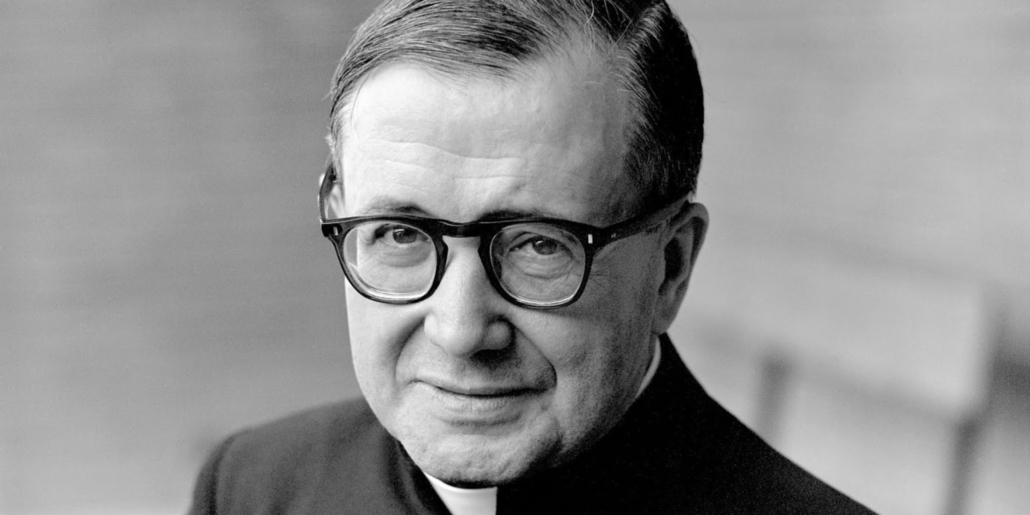
Who Was St. Josemaría Escrivá?
St. Josemaría Escrivá was a Spanish priest who lived during a time of tremendous social, political, and spiritual upheaval. As the modern world shifted quickly, people faced serious questions about faith, work, family, culture, public life, and personal identity.
Into that changing world, St. Josemaría preached a message that was both ancient and fresh, reminding Catholics of a truth rooted deeply in the Gospel: God calls every single person to sanctity.
His teaching was practical, concrete, and incredibly hopeful. He helped people see that the ordinary details of daily life could become personal places of encounter with God.
For St. Josemaría, holiness could be found through:
- Work done with excellence, honesty, and a spirit of service.
- Study offered to God with discipline and humility.
- Friendship lived with generosity, loyalty, and charity.
- Family life embraced as a school of love and sacrifice.
- Professional responsibilities carried out with integrity.
- Daily prayer woven into the rhythm of real life.
- Small duties completed with love, even when no one notices.
This is the heart of Opus Dei: it is not about escaping ordinary life to find God, but learning to find God in the ordinary life He has already given us.
Holiness in Ordinary Life
Many of us know what it feels like to unintentionally separate our faith from the rest of our reality. We go to Mass, pray when we can, and sincerely want to be good Catholics who make right choices.
Then the week begins, and everything moves at lightning speed.
Meetings stack up, emails demand answers, meals need preparation, and children need attention. Deadlines keep coming, friendships require care, bills need paying, and errands fill the calendar. Responsibilities do not politely wait until we feel spiritually collected. Before long, prayer can feel like something we are merely trying to squeeze into the margins.
St. Josemaría’s message lovingly challenges that way of thinking.
Of course, we encounter Christ most profoundly in the sacraments. The Eucharist is the source and summit of the Christian life, making prayer, worship, and sacramental grace absolutely essential. But the God we encounter at Mass does not stay behind when we walk out of the church doors.
He wants to enter the entirety of our lives, sanctifying our:
- Work and ambitions
- Friendships and conversations
- Family life and decisions
- Daily responsibilities
For a young professional woman, this is a concrete reality rather than a distant theological idea. The way we answer a difficult email can become an opportunity for virtue. Preparing thoroughly for a meeting can be an act of service. Choosing patience with a coworker can be a hidden offering, just as caring for a child through exhaustion is a profound act of love.
Holiness is not somewhere else. It is not waiting for a quieter season, nor is it reserved for a future version of ourselves who has everything perfectly organized. God is calling us now.

Why This Message Is So Timely Today
Young women today carry an immense amount of pressure. The expectations are relentless: build a meaningful career, stay grounded, remain confident, keep up with friendships, navigate dating or marriage, care for family, stay healthy, manage finances, grow spiritually, and maintain an online presence without getting swallowed by comparison. You are expected to have a plan, yet somehow remain perfectly peaceful when life doesn’t unfold according to it.
That is a heavy load for one human soul to carry before she has even finished her morning coffee.
This is exactly why St. Josemaría’s message is so vital right now. He offers a vision of life that is integrated, not fragmented. Faith is not meant to be placed in an isolated compartment while work, relationships, ambition, and family sit in another. Christ wants the whole heart and the whole life.
Many women are hungry for more than surface-level success. They are looking for meaning, true friendship, interior depth, virtue, and a way to live their faith with confidence in a world that often treats religion as something private, outdated, or inconvenient.
St. Josemaría’s spiritual legacy speaks directly to that hunger by teaching that:
- Holiness grows through existing responsibilities. Professional excellence and spiritual growth do not have to compete with one another.
- Ordinary work becomes prayer when it is done with love, competence, and a genuine desire to serve God and others.
- Small things matter because love transforms them.
This is not fluffy inspiration; it is a demanding path. It asks for discipline, generosity, humility, and daily conversion. It challenges us to stop waiting for perfect conditions and begin giving God the real, messy material of our everyday lives.
What This Means for Young Professional Women
For young professionals, the spirit of Opus Dei opens up honest, necessary questions:
- How do I live my Catholic faith at work with confidence and maturity?
- How do I pursue excellence without turning my career into an idol?
- How do I build friendships that help me grow instead of keeping me spiritually asleep?
- How do I discern marriage, motherhood, service, or a particular vocation while remaining faithful to my present duties?
- How do I make prayer a real priority when my schedule already feels completely full?
- How do I become a woman of virtue in a culture that rewards impulse, self-promotion, and convenience?
- How do I bring Christ into my ordinary life without feeling like I need to have everything figured out first?
These questions touch the real, diverse seasons of a woman’s life. A woman at the beginning of her career may be navigating choices about ambition and identity. Another building her professional life might be discerning marriage or deeper commitments of service. A newly married woman may be discovering that love is beautiful but demanding, while a mother learns that hidden sacrifice is where love becomes concrete. Meanwhile, a single woman strives to remain hopeful, faithful, and generous in a season of waiting.
Many women are tired of shallow networking, surface-level conversations, and a culture that offers endless distraction with very little depth. At Westfield, we believe young professional women need more than just events on a calendar.
They need formation, true friendship, spiritual depth, and intellectual growth. They need a place where faith and real life are treated as a unified world.
Westfield and the Spirit of Opus Dei
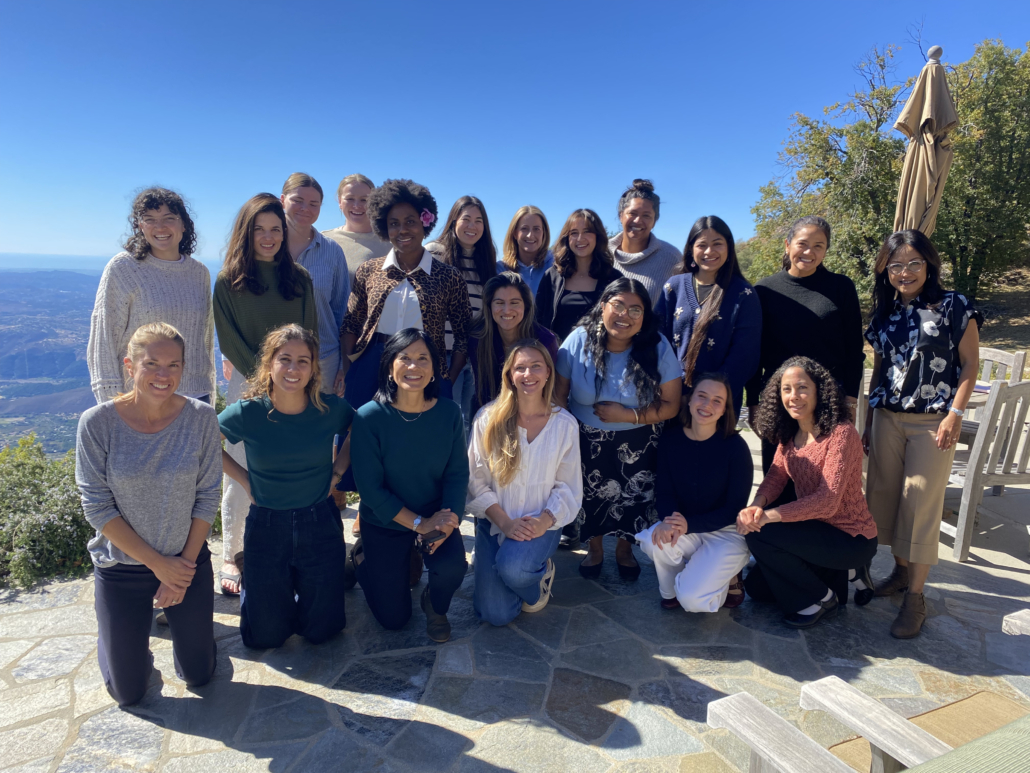
Westfield Young Professionals exists to help women grow in faith, virtue, friendship, and professional life. Our goal is not simply to gather women in the same room; our deeper mission is to help women become exactly who God is calling them to be.
The spirit of Opus Dei shapes this mission in a very practical way. At Westfield, we want to help women learn how to:
- Take prayer seriously, even during busy seasons.
- See work as a place of service, personal growth, and sanctification.
- Build friendships rooted in virtue, honesty, and encouragement.
- Develop intellectual depth through thoughtful formation.
- Grow in professional excellence without losing sight of God.
- Serve generously in family life, community life, and daily responsibilities.
- Bring Christ into ordinary conversations, duties, and decisions.
This intentional focus is why our events, classes, recollections, workshops, and gatherings matter. A recollection gives women space to pray and refocus. A workshop offers practical formation for real life. A class gives women the chance to think more deeply, while a happy hour creates space for friendship and honest conversation.
The format may change, but the deeper purpose remains identical: helping women encounter God in the middle of ordinary life.
The Beauty of Ordinary Fidelity
One of the most beautiful parts of St. Josemaría’s message is his emphasis on ordinary fidelity. Most of life is not made up of dramatic moments; it is built through small, repeated choices:
- A task completed well when no one applauds.
- An honest conversation that would be easier to avoid.
- A few minutes of prayer protected in the middle of a crowded day.
- An act of service that costs something personal.
- Patience in family life, humility at work, and generosity in friendship.
- Perseverance when life feels hidden.
These are the places where love becomes real. This matters deeply because our culture often celebrates visibility more than fidelity. It is easy to think something only matters if it is seen, posted, praised, or publicly recognized.
St. Josemaría reminds us that God sees the hidden life. He sees the quiet “yes,” the sacrifice made with love, the work done well, and the effort to begin again after failure.
Our lives do not need to look impressive to be fruitful. They simply need to be faithful.
Looking Toward the Centennial
As Opus Dei approaches its centenary in 2028, this is a beautiful time to learn more about the call to holiness in ordinary life.
A centennial naturally invites gratitude as we look back and thank God for the spiritual legacy left through St. Josemaría’s life. But it also invites renewal, asking each of us how this message should shape our lives today.
What would it look like to take our work more seriously as a place of service? To build friendships that lead us closer to God? To stop treating prayer as optional and see it as the foundation of a fully human life?
What would it look like to believe that holiness is possible for us right now?
Not someday. Not when life slows down or when everything feels perfectly settled. Now. In this season of life, in this city, in this work, in this family, and in this ordinary day.
Over the coming months and years, Westfield will continue exploring these themes as we prepare for 2028. We will be reflecting on how women can take these principles and apply them to daily life with clarity, joy, and practical wisdom. This is not only about learning more information; it is about learning how to live differently.
Continuing the Conversation at Westfield
If you are a young professional woman in Los Angeles who wants to grow in faith, friendship, virtue, and professional life, we would love for you to stay connected with Westfield.
Whether you are new to Opus Dei, familiar with St. Josemaría, or simply curious about how to live your Catholic faith more deeply in everyday life, we invite you to take part in our community throughout the year:
- Join our email list to receive spiritual reflections, community updates, and opportunities for formation.
- Keep an eye on our upcoming calendar for classes, recollections, workshops, and happy hours.
- Bring your real questions about faith, work, prayer, friendship, and vocation.
- Invite a friend who may also be searching for deeper community and formation.
St. Josemaría’s message continues to matter because it reminds us that holiness is never far away. It is entirely possible through ordinary work, faithful friendship, generous service, and the daily life God has given each of us.
Hop on our email list today and join us as we explore this beautiful call together over the coming year.


Leave a Reply
Want to join the discussion?Feel free to contribute!