
Magnifica Humanitas and the Question of What It Means to Be Human In Our Professional Lives
This past year in our Reason Sessions, we spent a great deal of time exploring Christian anthropology: the Church’s understanding of the human person.
Together, we reflected on questions that are as old as humanity itself and yet feel especially relevant today.
What does it mean to be human?
What makes each person unique and irreplaceable?
Why are relationships so essential to our flourishing?
What is the purpose of work, friendship, family, and community?
And perhaps most importantly, what does it mean to live as a son or daughter of God in the modern world?
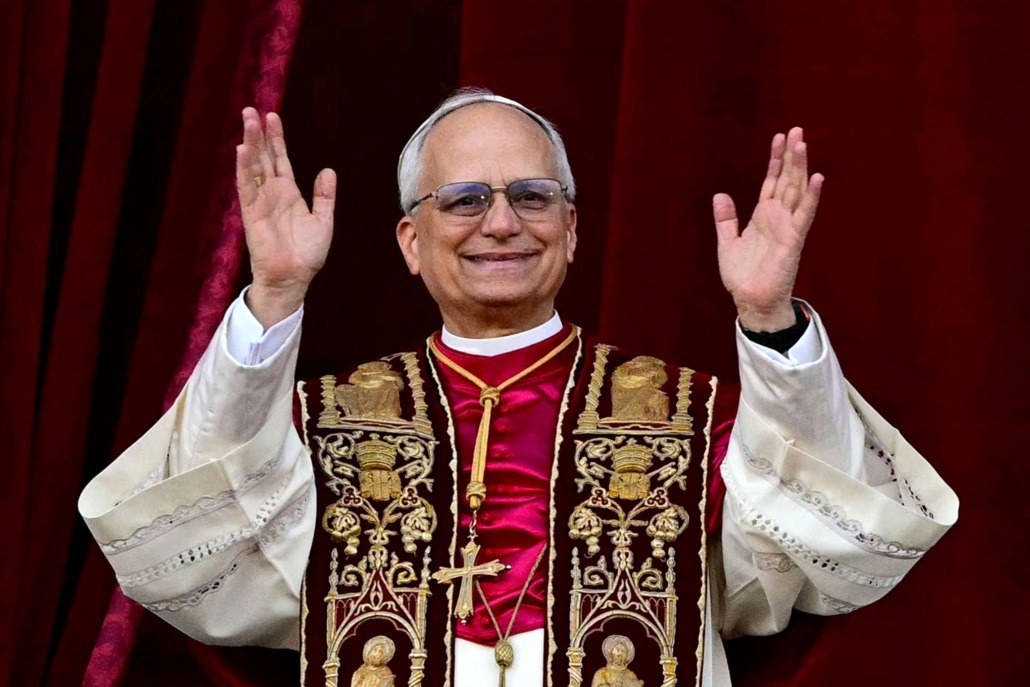
These questions form the backdrop of Pope Leo XIV’s first encyclical, Magnifica Humanitas, or “The Greatness of Humanity.”
A Timely Message for a Changing World
At first glance, an encyclical might seem like something reserved for theologians, academics, or Church leaders. In reality, this document speaks directly to the challenges many of us face every day.
We live in a world that is changing at an extraordinary pace. Artificial intelligence is reshaping industries. Social media increasingly influences how we communicate and even how we see ourselves. Productivity often becomes the measure of success.
Many people feel more connected digitally than ever before, yet experience deeper loneliness and isolation.
In the midst of these changes, Pope Leo XIV asks a simple but profound question: What does it mean to be truly human?
Our Dignity Comes from God
The Holy Father reminds us that our dignity does not come from our achievements, our careers, our income, our social status, or even our abilities. Our dignity comes from the fact that we are created in the image and likeness of God.
This may sound familiar, but it is a truth that our culture often forgets.
When human beings are viewed primarily as consumers, workers, voters, users, or data points, we begin to lose sight of the deeper reality of who we are.
The Church proposes something far more beautiful.
Every person possesses an inherent worth that can never be earned and can never be taken away.
This vision lies at the heart of Christian anthropology and serves as the foundation for the Church’s social teaching.

Created for Relationship
One of the themes that emerged repeatedly in our Reason Sessions was that human beings are fundamentally relational.
We are created for communion with God and with one another.
We do not discover ourselves in isolation but through relationships marked by love, friendship, service, and self gift.
In a culture that often encourages radical independence and self sufficiency, the Gospel reminds us that we were never meant to walk alone. We flourish when we learn to receive love, give love, and build authentic community.
This understanding helps explain why friendship, family, mentorship, and community remain essential to a meaningful life.
Work as More Than a Career
Magnifica Humanitas also challenges us to think differently about work.
For many young professionals, work can easily become a source of identity. Success, promotions, achievements, and recognition often become the metrics by which we evaluate ourselves.
The Church offers a broader vision.
Work is not merely a way to make a living. It is a way of contributing to society, serving others, developing our gifts, and participating in God’s ongoing work in creation.
When viewed through this lens, our daily responsibilities take on a deeper meaning. Even ordinary tasks can become opportunities to serve God and others with excellence and generosity.
Technology and the Human Person
The encyclical also addresses the rapid growth of technology and artificial intelligence.
The Church does not fear technological advancement. Innovation can be a tremendous force for good. Yet Pope Leo XIV reminds us that technology must always remain at the service of the human person.
The question is not simply what technology can do.
The deeper question is what technology is doing to us.
Does it help us become more attentive, more present, more human?
Or does it distract us from relationships, prayer, reflection, and genuine encounter?
These are questions each of us must honestly examine in our own lives.
Formation as the Christian Response
Perhaps one of the most encouraging aspects of the encyclical is that it does not offer fear in response to modern challenges.
Instead, it offers hope.
The answer to cultural confusion is not withdrawal. The answer is formation.
The Church continues to form men and women who know who they are, who understand their dignity, who seek truth, and who desire to use their gifts in service to God and others.
This is the mission of Christian formation. It is not simply about acquiring information. It is about becoming the person God created us to be.
Looking Ahead
For those of us involved in Westfield’s programs, this invitation should sound familiar. It echoes many of the conversations we have shared throughout the past year and points us toward the work that still lies ahead.
As we prepare for our upcoming fall series, we invite you to continue exploring these questions with us.
Together, we will dive deeper into what it means to be fully human, fully alive, and fully responsive to God’s call in the midst of ordinary life.
After all, the most important question facing our world today may not be what technology can do.
It may be whether we remember who we are.


Leave a Reply
Want to join the discussion?Feel free to contribute!